Viper-Flex® shooting sticks — Made in Denmark, used on five continents
Viper-Flex® shooting sticks
The original quad sticks — built for driven game, stalking and safari
What professional hunters say
“Success rate up 70%, wounded animals down 50–60% since we started using the Viper-Flex® shooting sticks.”
John Fenton · Wicklow Mountains, Ireland
“Up to 60% reduction in wounding shots since we started using the Viper-Flex®.”
Bjørn Georg Jensen · Side by Side Safaris, South Africa
“In one season I cut down on 80% fewer wounded animals.”
Marius Burger · Mopani Hunting Safaris, Namibia
“A substantial increase in first-shot success.”
Dempsey Bayly · Dangerous Game PH, South Africa
New
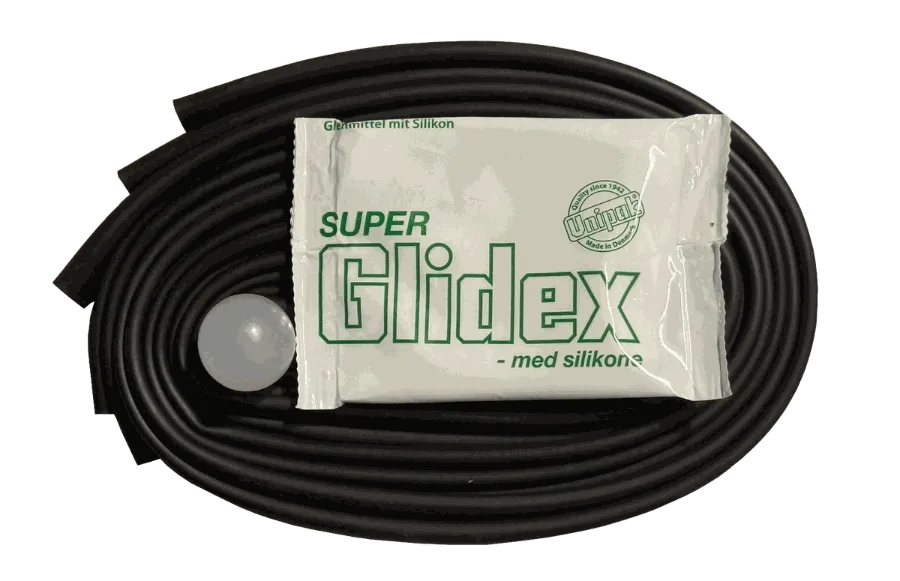
Rubber Covers – the smart upgrade
A new upgrade kit for all Viper-Flex® models. Hard-wearing quality rubber gives you a comfortable, secure grip, reduces noise on contact with branches and vegetation – and protects your shooting sticks from everyday wear.
- Less noise in the field – a quieter stalk
- Improved grip in all hunting conditions
- Easy height adjustment straight through the rubber
- Fitted in minutes – no tools required
The kit includes 5 rubber sleeves (incl. Single Leg), assembly lubricant, fitting instructions and a QR code video guide.
Kr. 199,-
Made in Denmark — used on five continents
Shooting sticks
Danish craftsmanship — every part replaceable
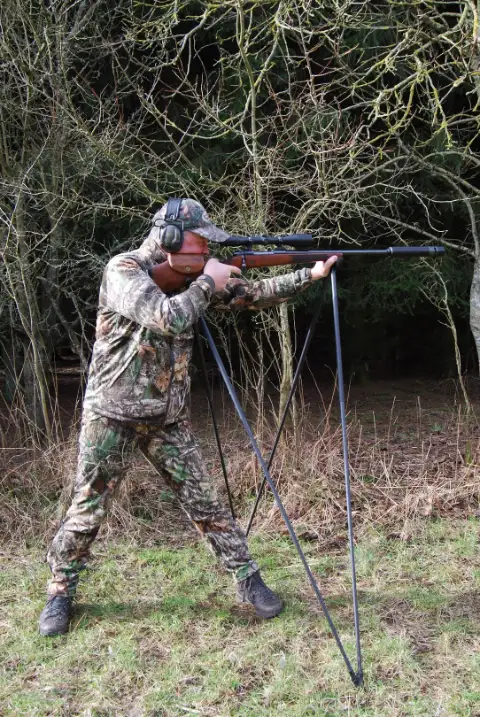
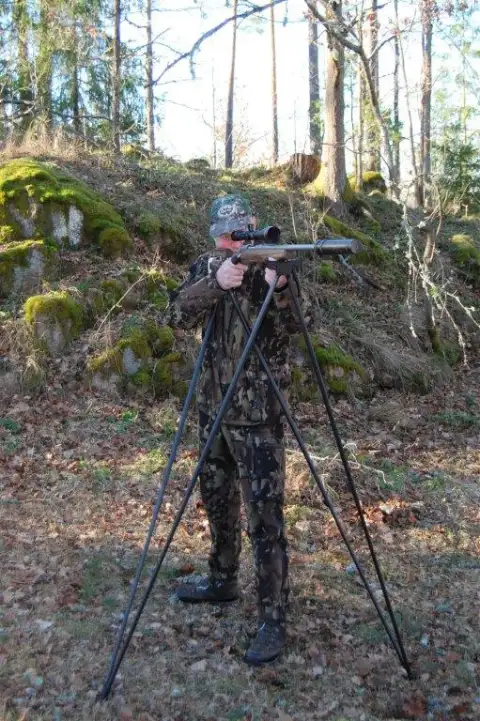
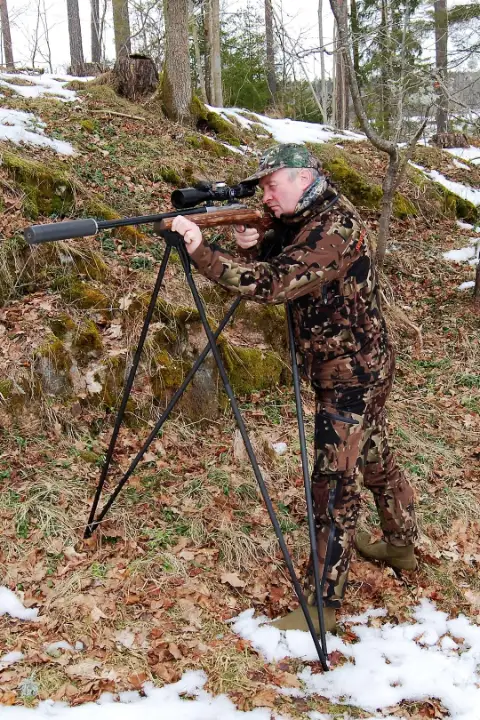
Multipurpose two-point rifle support for prone, sitting, kneeling and standing. The Journey and Pro To Go models pack down for the suitcase.
Fits suitcases
Viper-Flex® Styx PRO TO GO
Fits gun cases
Viper-Flex® Styx PRO
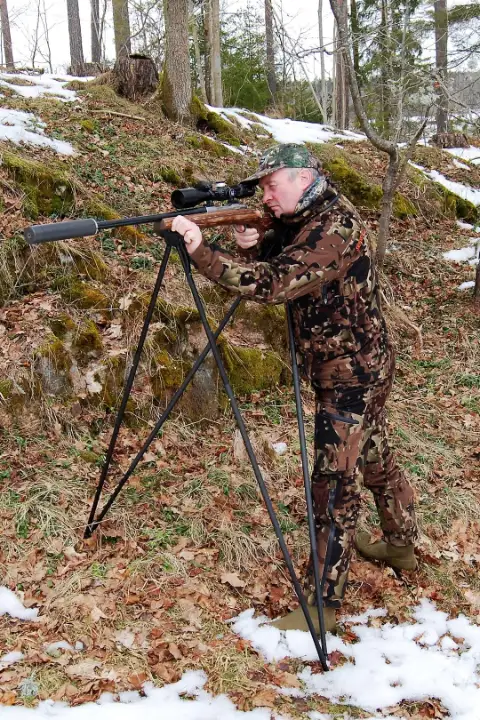
Fits suitcases
Viper-Flex® Styx Journey+ XL
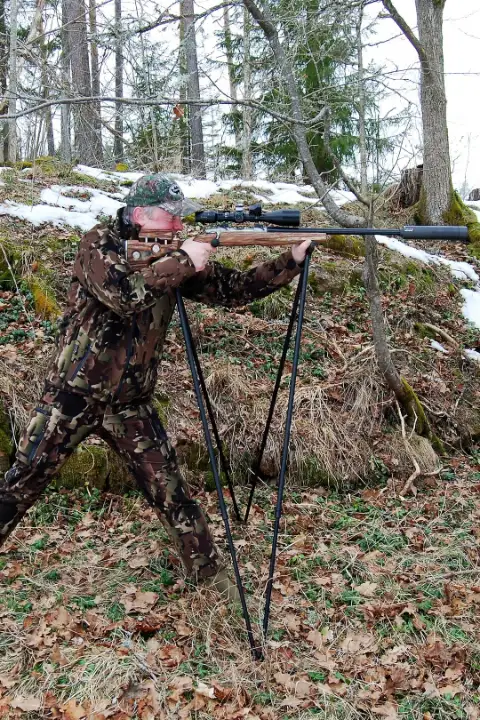
A short tripod for prone shooting. It stands on its own — lean forward into the rest for added stability.
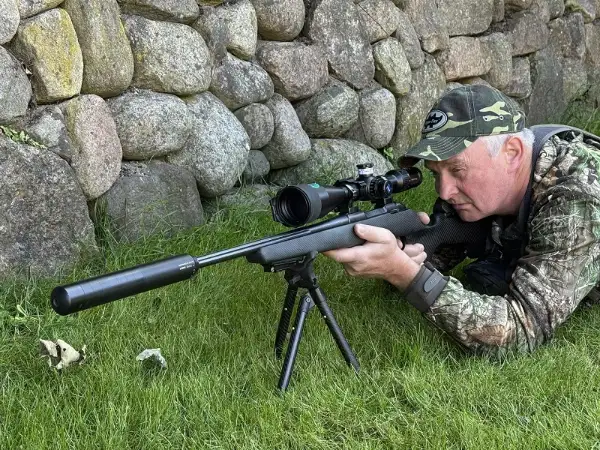
Accessories for your Viper-Flex® shooting stick: an extra leg for more stability — and Rubber Covers for a quieter stalk.
Rubber leg covers
Viper-Flex® Rubber Covers
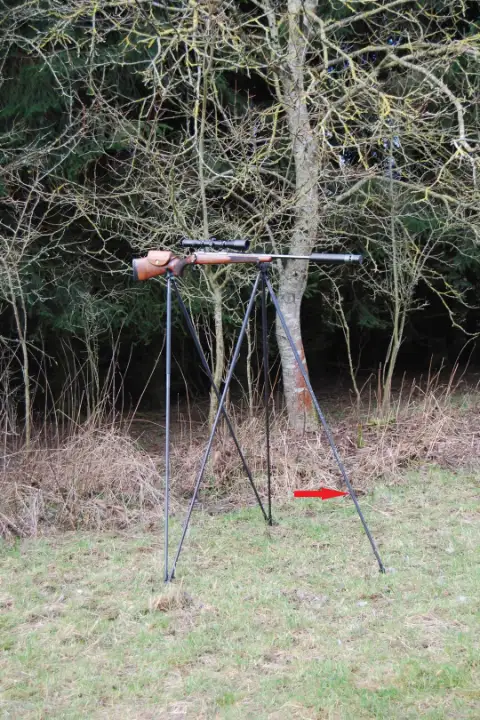
Add-on: extra leg
Add-on: extra leg for Styx PRO TO GO
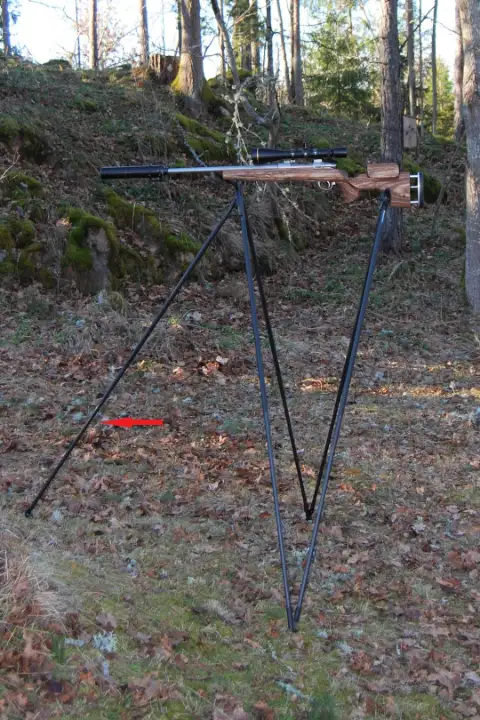
Add-on: extra leg
Add-on: extra leg for Styx PRO
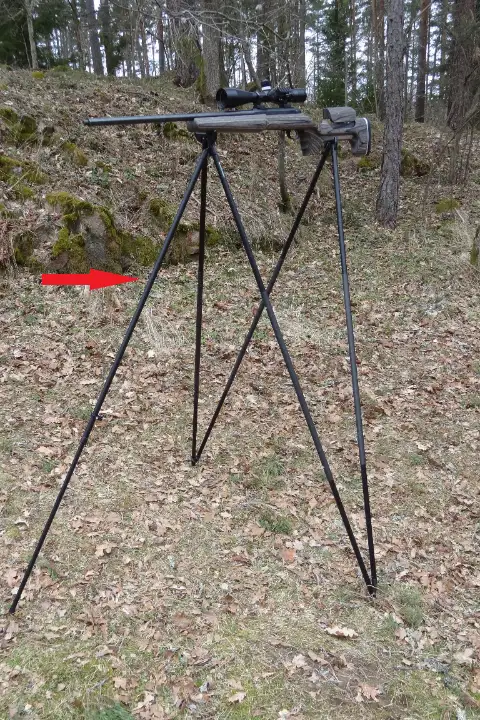
Add-on: extra leg
Add-on: extra leg for Styx Journey+ XL
Add-on: extra leg
Add-on: extra leg for Styx Journey+
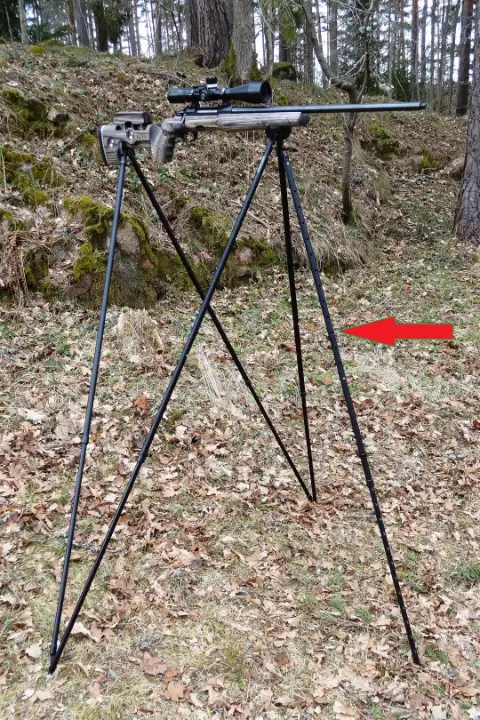
Add-on: extra leg
Add-on: extra leg for Styx Elite+
since 1985 · used on five continents
Viper-Flex® shooting sticks
It started in 1985 with a set of wooden shooting sticks — built by a Danish hunter who couldn’t find anything stable enough in the field. The design took shape through decades of refinement, season after season, shaped by the hunters who used them on real hunts.
Today, Viper-Flex® sticks are used across the world. Fallow deer in Ireland, wild boar in Sweden, roebuck in Denmark, plains game in South Africa. Every component on every model can be replaced — built by hand in a workshop in Rønnede, Denmark.
Danish design, Danish craftsmanship
What do hunters say?
★★★★★Our customers rate us Excellent on Trustpilot
★★★★★
Outstanding service
Outstanding service. I have one of the original Viper-Flex sticks and had it updated with new rubber sleeves to stop it whistling in the wind. Took about 10 minutes at a fair price. A serious, professional company with products that last.
John · Mar. 2026
★★★★★
Couldn’t recommend more highly
I couldn’t recommend Viper-Flex more highly to anyone looking for exceptional shooting sticks. Our whole family uses them and they’re brilliant. And if you ever have an issue, the after-sales service is unlike anything you’ll find elsewhere.
Peter · Mar. 2026
★★★★★
Brilliant sticks — exceptional service
The Viper-Flex is an outstanding set of sticks — incredibly stable yet easy to handle. And the customer service is in a league of its own. I sent mine in for repair, and it came back the same day it arrived — fully sorted, re-coated, and engraved with my name.
Rasmus · Feb. 2026
★★★★★
The best on the market
In my opinion, the best shooting sticks on the market — and without question the best customer service I’ve ever experienced.
Steen F. · Jan. 2026
★★★★★
Service beyond expectations
I emailed today about spare parts for a stick I’d damaged myself — bought back in 2018. Within five minutes I had a reply offering to repair it completely free of charge. Absolutely remarkable.
Thomas · Sep. 2025
★★★★★
Simply the best
Without doubt the best shooting sticks on the market — and the best customer service to match.
Patrick Olsen · Aug. 2025
★★★★★
I was wrong about shooting sticks
I used to think shooting sticks were for hunters who couldn’t shoot. Then I tried a Viper — and had to eat my words. Simple, solid, well-made. I now have one everywhere I hunt. More than 100 animals in the freezer thanks to my Vipers.
Mads · Aug. 2024
★★★★★
A company that stands behind its product
Without any further questions, they offered to re-coat the sticks free of charge — even after I admitted I hadn’t always followed the care instructions. This kind of service deserves to be shared. A supplier that truly stands behind what it sells.
Morten · Mar. 2024
★★★★★
World class — in every sense
Not only do they make the finest shooting sticks I’ve come across — the service at Viper-Flex is genuinely world class. If you want the best, look no further.
Jesper · Sep. 2023
★★★★★
Steady and indispensable
I have an earlier model and I’m still impressed by the precision it allows. Even at distances over 200 metres, keeping the crosshair steady is no trouble at all. One of the best purchases I’ve made in a long time.
Morten · May 2023
Trusted in the field
Craig Boddington
Craig Boddington is one of the most respected names in hunting — a decorated U.S. Marine Corps Colonel, author of more than 25 books, and a gun/hunting journalist with over five decades in the field on six continents.
In this video, Craig explains why he trusts Viper-Flex shooting sticks. First introduced to them on a hunt in England, he was struck immediately by their rock-solid stability and high quality manufacturing. He has carried them since — across Africa, North America, and beyond.
Press play to see why the sticks Craig Boddington reaches for are Viper-Flex
in the field
See Viper-Flex® in action
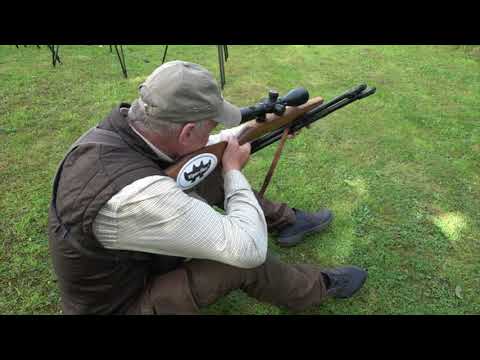
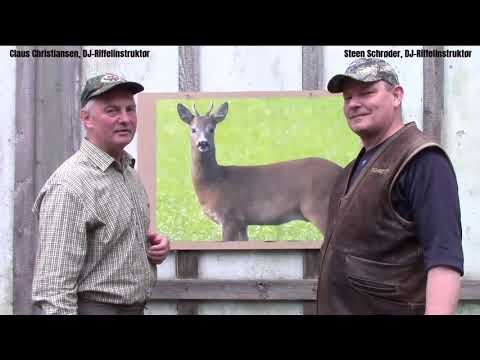
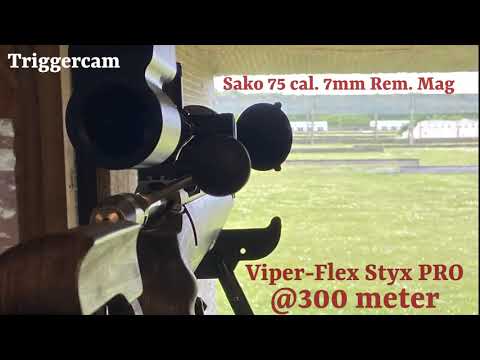
Watch the Viper-Flex® shooting sticks in real hunting conditions — from setup to a 300-metre shot.

Follow the hunt
@viper_flex on Instagram
Join us in the field — new models, the craftsmanship behind the shooting sticks, and photos from hunters on five continents.
Frequently asked questions
Do better shooting sticks actually make a difference?
They do. Cheaper sticks often lack the rigidity needed at the moment of the shot — the rifle can shift, and any tension in your body goes straight through. When your pulse is up and the moment is there, that’s enough to cost you the shot.
Good sticks hold the rifle where you put it and let you focus on the animal, not the wobble. That’s not a luxury — it’s what the sticks are for.
What should I look for when choosing shooting sticks?
Three things worth thinking about.
Stability — does the rifle sit still, or does it move with you? Two points of contact beat one.
Speed — can you get them up and ready without losing the animal? In the field, seconds matter.
Longevity — can they be repaired if something goes wrong? Are spare parts available? A good pair of sticks should last a hunting lifetime.
Will shooting sticks work across different types of hunting?
A well-designed pair will handle most of what hunting throws at you — standing, kneeling or sitting, in open ground or tight cover.
On a driven day you need them up in seconds. Stalking demands a quiet, smooth setup. On the high seat, the priority is settling the rifle and staying focused. The best sticks adapt to all three.
What happens if my sticks get damaged?
That depends entirely on who made them. A lot of shooting sticks aren’t designed to be repaired — if something breaks, you replace the whole thing.
It’s worth asking before you buy: can individual parts be swapped out? Is there a service available? Will the manufacturer still support them in five years’ time?
Two legs or four — which is right for me?
Two-legged sticks are lighter and faster to deploy — good for driven game where you’re on your feet and moving. They need a steadier hand from you, but in the right situation they’re hard to beat for speed.
Four-legged sticks give you a more settled platform and are better suited to stalking or high seat work, where you have a moment to set up and the priority is a clean, precise shot.
Ready when you are
Find the stick that fits the way you hunt
Built in Denmark, repaired for life, trusted on five continents. Take the next step — or ask us anything first.